DIY & electronics tinkering
Arduino starter kits and maker tools worth buying once
Buying guides for Arduino starter kits, 3D printers, multimeters, and soldering gear — focused on what lasts on a hobbyist workbench, not marketing fluff.
- No retailer sponsorships
- Weekly price checks
- 325+ articles tracked
- Staple price creep
- 18%
- Annual overspend
- $420
- Products tracked
- 9+
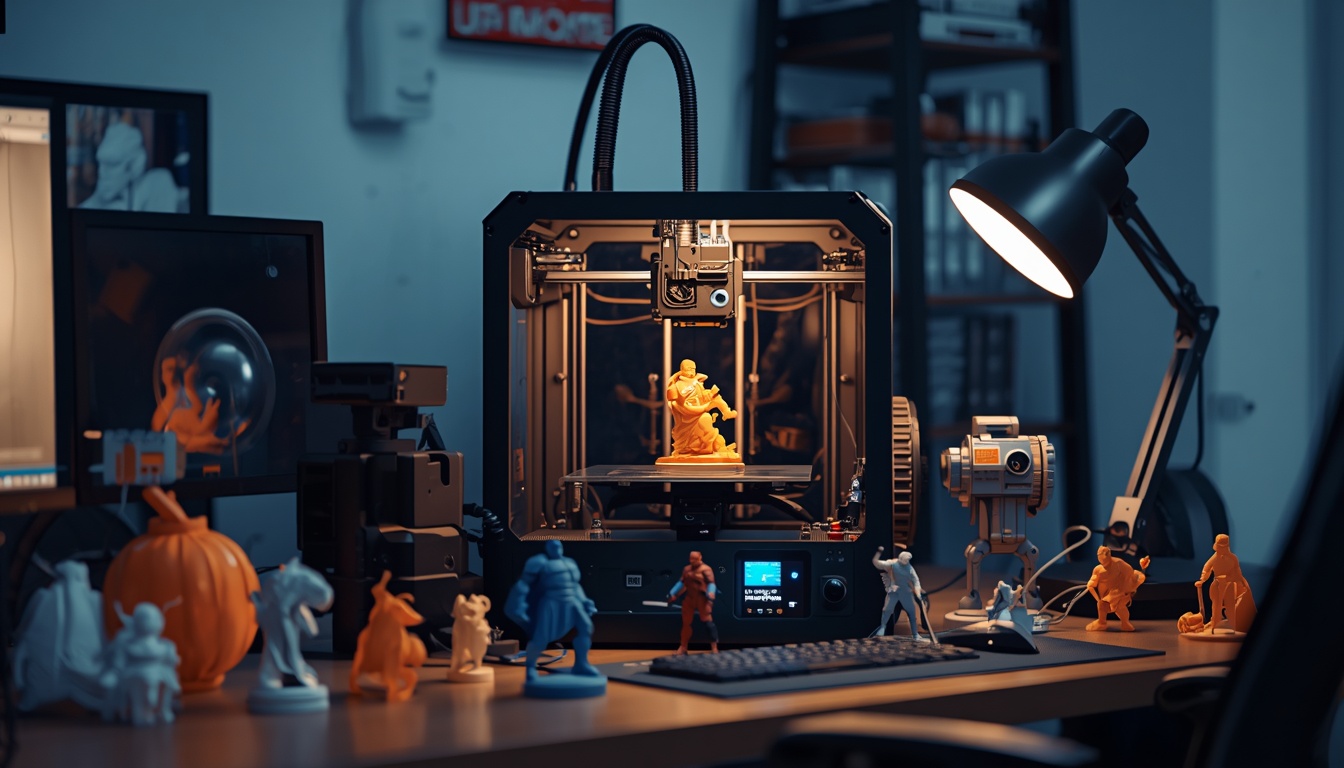
We track maker gear and resin printers on repeat — and flag when workshop bundles inflate the basics you print every week.
- Staple price creep
- 18%
- Annual overspend
- $420
- Products tracked
- 9+
- Independent watchdog
- Weekly price checks
- No retailer sponsorships
Editorial standards
"Independent editorial · No brand sponsorships · We name the gear, we name the budget swap"How we work →
Related guides
Start with these maker buying guides.
Arduino kits, enclosures, multimeters, and PCB software — linked to guides already on this site.
Arduino starter kit buying guide
Official kit vs third-party bundles — what holds up after real prototyping hours.
Read guide →Arduino Uno Rev3 (A000066) overview
Specs and getting-started notes for the classic Uno board.
Read guide →3D printer enclosures: DIY vs commercial
When ABS and ASA need a chamber, and how Lack builds compare to pre-built boxes.
Read guide →2-wire vs 4-wire resistance
Why low-ohm readings lie on a basic multimeter — and when Kelvin sensing matters.
Read guide →Best PCB design software for hobbyists
EasyEDA, KiCad, Eagle, and DipTrace for beginners and serious makers.
Read guide →ELEGOO UNO R3 starter kit
What the popular beginner kit actually includes and how far it takes you.
Read guide →
Start here
Pillars we track every week.
Each pillar is its own watchlist: explainer → tracked products → cheaper swap. Three clicks to the answer.
01 · TinkerBench
TinkerBench Editorial Guide
How TinkerBench researches gear, compares value, and names the budget swap.
115 related articles →02 · Bottled
Bottled Water vs. Filter Pitchers: The 2026 Economics of Hydration
Bottled water prices have surged by 20% since 2024. We break down the true cost of hydration, revealing why a $30 filter pitcher pays for itself in just 6 weeks and which filters are actually the cheapest per gallon.
2 related articles →03 · The
The Grocery Staples Unit Price Watch Guide: Coffee, Eggs, and Milk
Coffee, eggs, and milk are the "big three" of grocery price creep. Here's how to calculate the real cost per ounce and when bulk club pricing actually beats the local supermarket.
12 related articles →04 · Laundry
Laundry Detergent Cost Per Load: The Definitive 2026 Price Comparison Guide
Most households overspend on laundry by $150+ per year simply by choosing the wrong detergent format. We break down the math on pods vs. liquid vs. powder and reveal the hidden costs of overdosing.
19 related articles →Latest from the desk
Six things we published recently.

amazon
Best Amazon gear for a cholo-style bagger build

Editorial
1. The best joint supplements for senior dogs: what the research actually shows
Best Wireless Earbuds Comparison: Top Picks for Every Need
best [product] comparison
Best Wireless Earbuds Comparison: Top Picks for Every Need

tinkerbench
arduino-weather-station
tinkerbench
arduino-starter-kits-worth-buying
tinkerbench
arduino-starter-kit-worth-it
Tracked this week
Three products, three price tiers, one verdict.
We watch the price history. Below: the cheapest defensible answer, the smart-buy middle, and the splurge at each price point.
How we research: price-history checks via Keepa, cross-retailer verification weekly, raw data on the methodology page.
See the rig →
About the desk
Why TinkerBench exists
Resin printers, maker gear, and workshop picks — tested on the bench.
Articles published
325
All bylined, dated, reviewed quarterly.
Products tracked
9
Independent watchlist — every price logged.
In-depth guides
11
Pillar topics, updated as the field changes.
From our family of brands · Sponsored
Phone Cases For All — 50,000+ designs · ships in 2 days 10% off your first case; code FIRST15ALL.The TinkerBench weekly
TinkerBench weekly
One shrinkflation alert, one smarter swap, one price check — every week. No spam.
Newsletter signup coming soon.
FAQ
Common questions from makers shopping this niche.
Short answers drawn from our Arduino, multimeter, 3D printing, and PCB guides — not generic filler.
Which Arduino starter kit is worth buying?
For structured learning, our testing favors the Official Arduino Starter Kit and its printed project book. Budget-minded hobbyists often do well with a third-party Mega 2560 kit that includes more sensors, as long as you supplement with solid tutorials. We generally advise skipping kits under about $40 because jumper wires, breadboards, and USB cables tend to fail early.
What is the Arduino Uno A000066?
A000066 is the product code for the Arduino Uno Rev3 board. It uses an ATmega328P microcontroller at 16 MHz, with 14 digital I/O pins, 6 analog inputs, and 32 KB of flash for your sketches. USB handles both power and programming, and the board remains a common beginner entry point because of its documentation and shield ecosystem.
What is the difference between 2-wire and 4-wire multimeter resistance measurement?
Two-wire measurement uses the same leads for current and voltage, so lead and contact resistance are included in the reading. Four-wire (Kelvin) sensing uses separate force and sense leads so lead resistance is largely excluded. Use two-wire for most hobbyist checks above roughly 100 ohms; use four-wire when measuring low-value resistors, shunts, or PCB traces where milliohms matter.
Do I need a 3D printer enclosure?
An enclosure helps most when you print temperature-sensitive filaments such as ABS, ASA, polycarbonate, or nylon, because it stabilizes chamber temperature, cuts drafts, and can contain fumes. PLA, PETG, and TPU are more forgiving and often print fine without one, especially on smaller parts. Enclosures can also reduce noise and keep dust off the printer.
Can you get a decent 3D printer under $300?
Yes. The sub-$300 market has improved a lot since 2020, with many machines now offering auto-leveling and better extruders. In our budget testing we prioritized first-layer success, serviceable parts, and filament flexibility (PLA, PETG, TPU). A higher budget under $700 buys more headroom, but a carefully chosen under-$300 printer is a workable entry point for many hobbyists.
What is the best PCB design software for beginners?
For absolute beginners, EasyEDA is the friendliest start: browser-based, large component libraries, and a short learning curve. Hobbyists who want a free, powerful desktop suite should look at KiCad, knowing the interface takes practice. Paid options like Eagle or DipTrace make sense if you need specific professional workflows or prefer a polished paid toolchain.
Should I build a DIY 3D printer enclosure or buy a commercial one?
DIY builds such as the IKEA Lack table enclosure typically run about $100–$150 and suit beginners who want a cheap, customizable box. Custom wood or extrusion builds cost more but fit unusual printer sizes. Commercial enclosures often start around $200–$600 and win on setup speed, insulation, and integrated lighting or filtration if you prefer plug-and-play over a weekend project.
Standards, disclosures, and how we make money.
Affiliate-link disclosure, research protocol, conflict-of-interest policy, and our correction log. All on one page. Read before you trust the rest.